Hypotheses and how we tested them
What others have claimed about the Voynich manuscript - and what survived an honest test. Each article: the claim, the method, the outcome.
Language claims
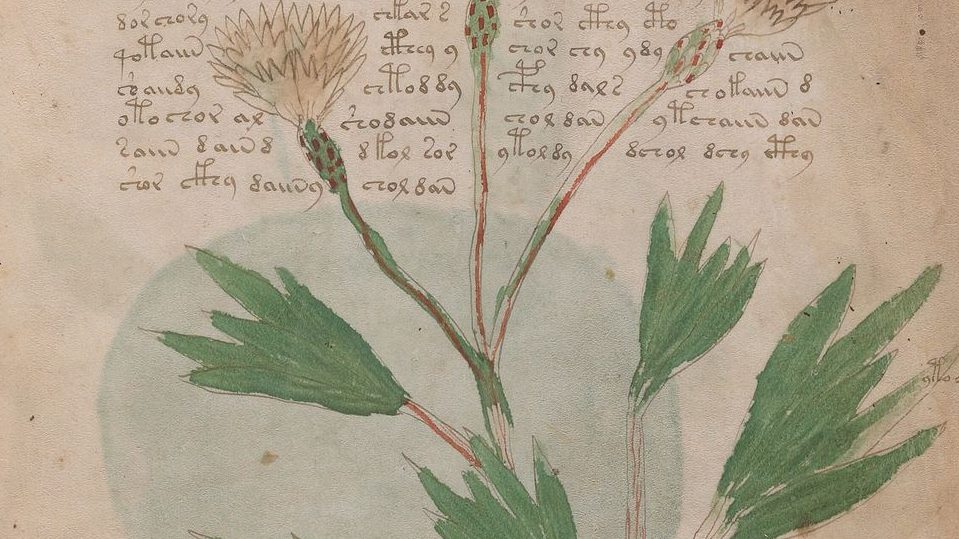 f2r"The Voynich manuscript is Aztec." What is left of the Tucker and Talbert hypothesisArthur Tucker's hypothesis says the Voynich manuscript was written in colonial Mexico in Nahuatl. We check its three supports - the pigments (the McCrone 2009 report), the radiocarbon date 1404-1438, and the statistics of the language. Result: the version falls, but not because of the language.REJECTED
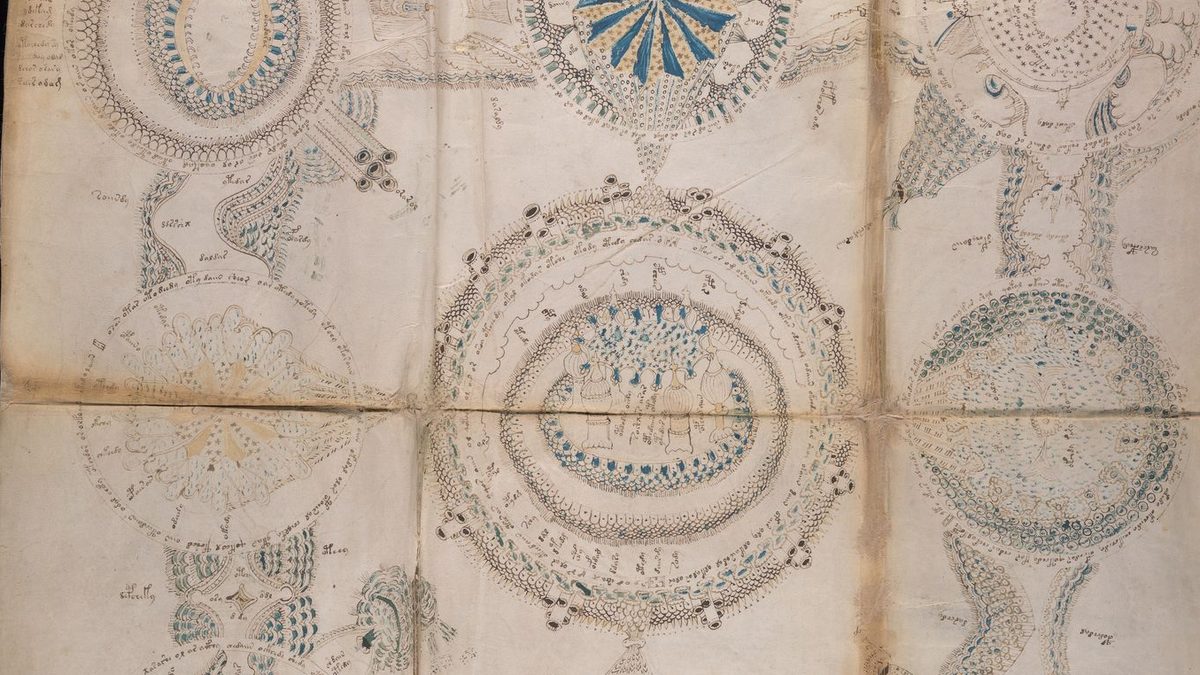 f86vCheshire's proto-Romance version: a decipherment that cannot be testedGerard Cheshire's version of a proto-Romance language in the Voynich manuscript. Why scholars rejected it, what is wrong with the method, and why free substitutions yield no testable predictions.REJECTED
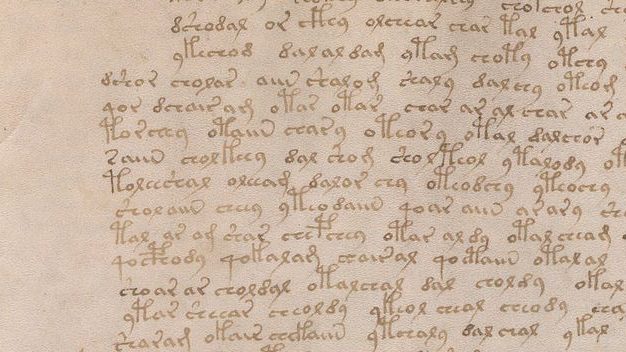 f58rThe East Asian version - and our own mistake, which we had to retractThe hypotheses of Jacques Guy and Zbigniew Banasik say the Voynich manuscript is in a monosyllabic Eastern language or in proto-Manchu. How we tested them, why we had to retract our earlier conclusion, and what still stands against the Eastern version.RETRACTED
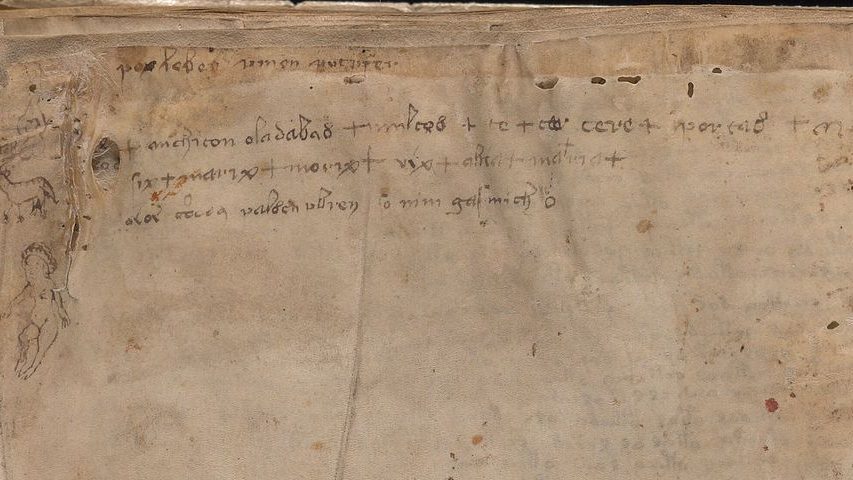 f116vThe Etruscan version: why it is closed by the calendar rather than by statisticsCould the Voynich manuscript be written in Etruscan? We go through the dating, the size of the surviving Etruscan corpus, and where the story about a link with the island of Lampedusa came from.REJECTED
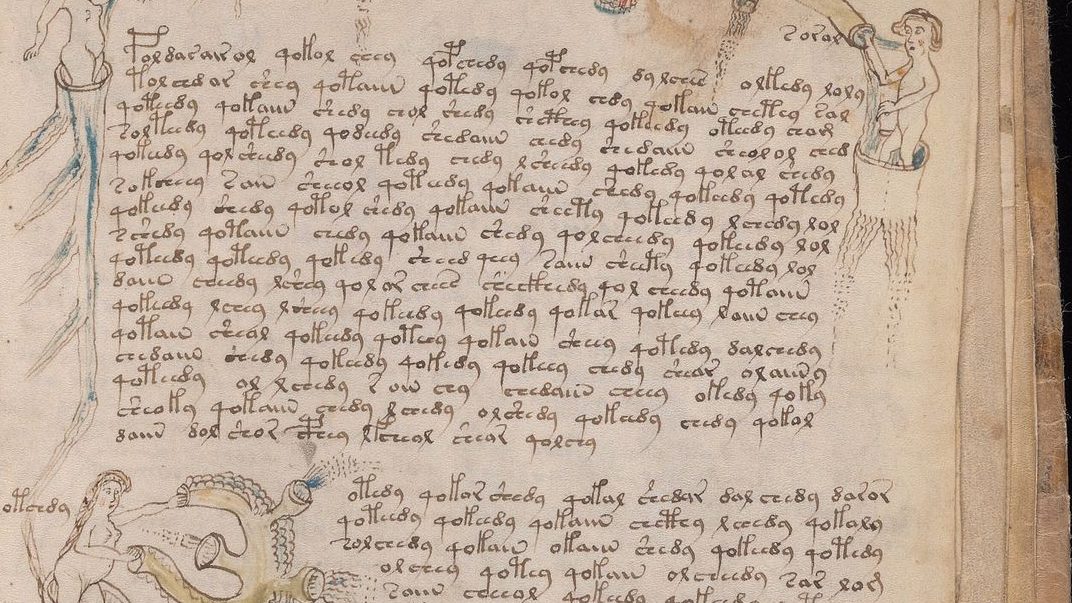 f77rHebrew by anagram: why the algorithm named a language and the reading still did not workThe 2016 paper by Hauer and Kondrak on Hebrew and anagrams in the Voynich manuscript. Why language identification by letter frequencies is unreliable under a cipher, and why an anagram reading cannot be tested.REJECTED
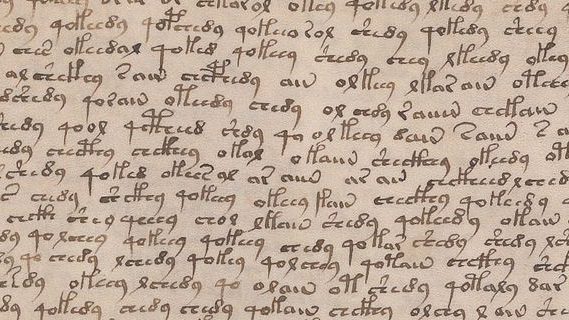 f76rThe Slavic bukvitsa and Sanskrit: why "one letter, one word" does not workThe hypotheses of the Slavic bukvitsa (49 signs, one letter equals one word) and of a Sanskrit abugida in the Voynich manuscript. We count the number of glyphs, word length, entropy and syllable structure - both versions are rejected structurally.REJECTED
Hoax and gibberish
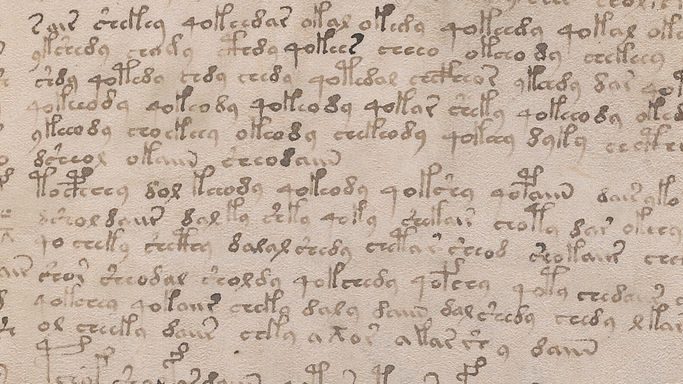 f66rAutocopying: how we rejected the strongest gibberish versionThe Timm and Schinner version: the text of the Voynich manuscript was produced by the self-copying of words. We test it discriminatively, on six measures over held-out windows of the text. Five of the six separate the generator from the manuscript.REJECTED
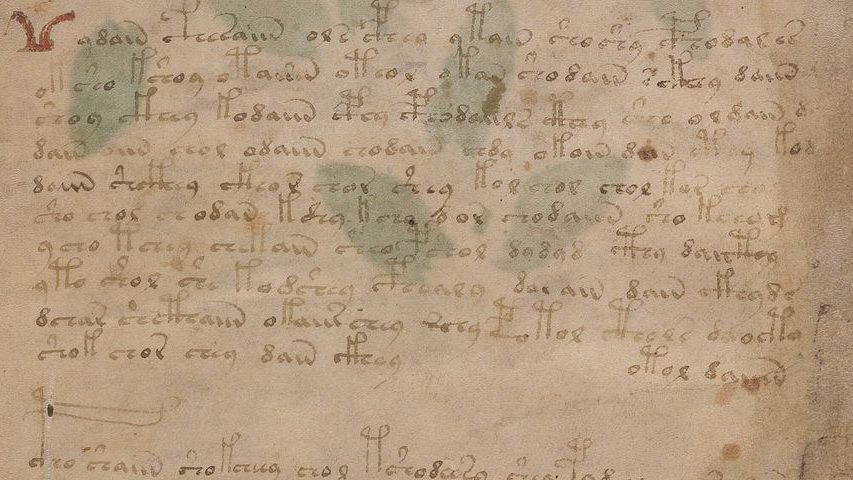 f1rThe Cardan grille: testing the hoax version without arguing about tasteGordon Rugg's version: the Voynich manuscript is meaningless gibberish generated with a Cardan grille and a table of syllables. We check two independent traces, one in the text and one in the geometry of the page. Both come out zero.REJECTED
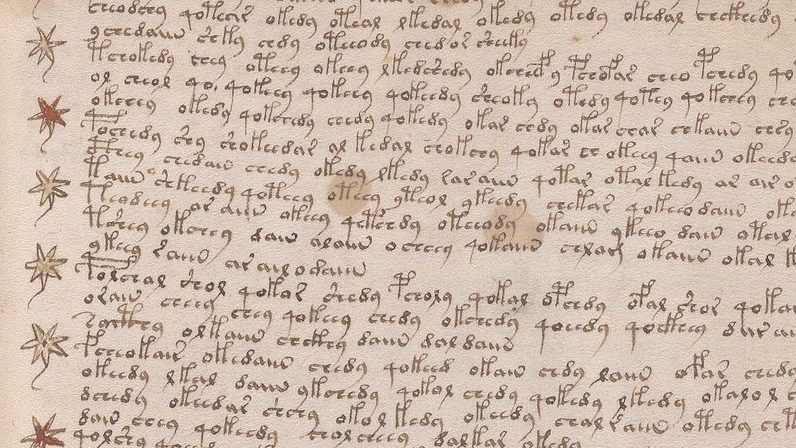 f108rVoynich entropy: the argument most often misusedWhat the entropy of a text means for the Voynich manuscript, how h1 differs from h2, which figures are real, and why low entropy does not rule out the hoax version.BACKGROUND
The botanical route
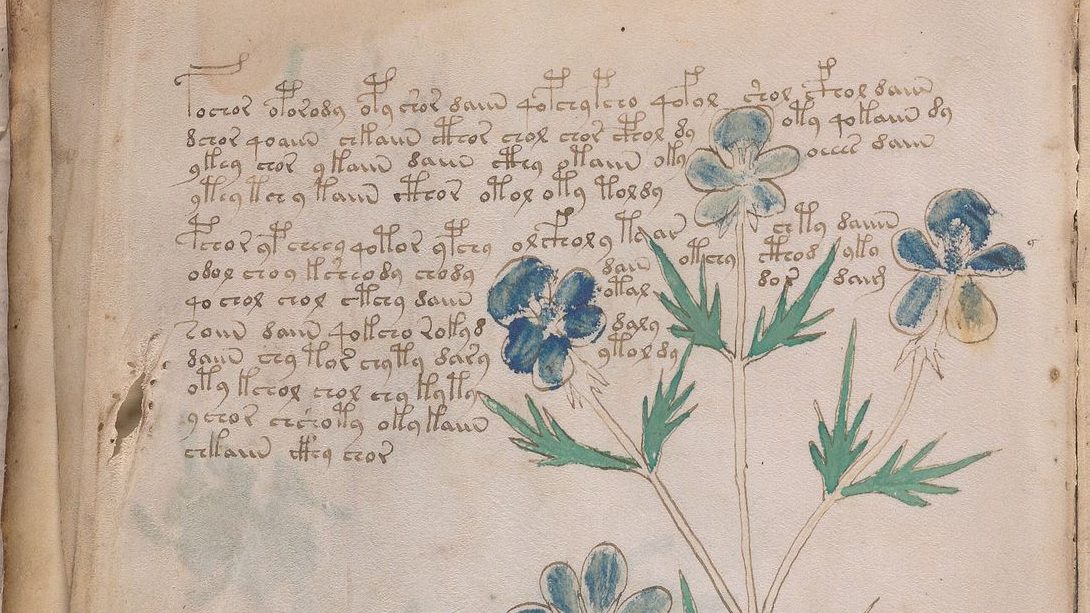 f9v"The first word is the name of the plant." Why the most sensible route did not workStephen Bax's method: identify the plant from the drawing and pull its name out of the text on the page. We test whether a plant name survives in the first word, in the first line and in the opening words of the paragraph. The name channel is falsified.REJECTED
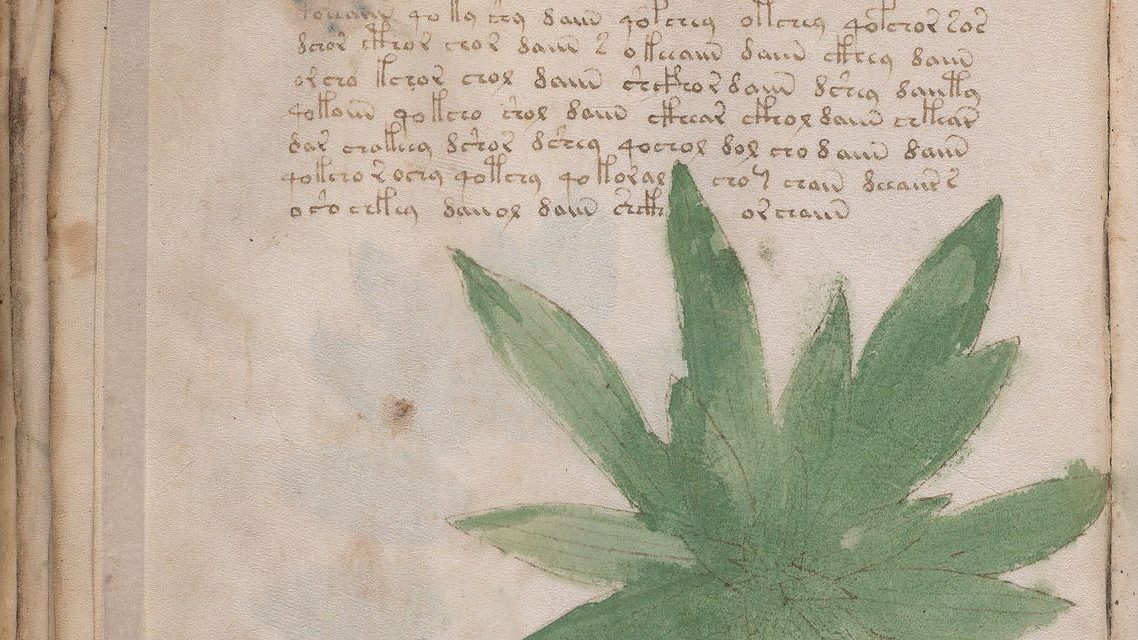 f25vChimeric plants: why botanists see different species on the same pageA blind experiment on the chimeric plants of the Voynich manuscript: mutual information between leaf, root and flower. The Voynich gives 0.206, the herbal of Manfredi 0.478, Dioscorides 0.716. The one supported result of our recent wave of tests.SUPPORTED
Calendar and zodiac
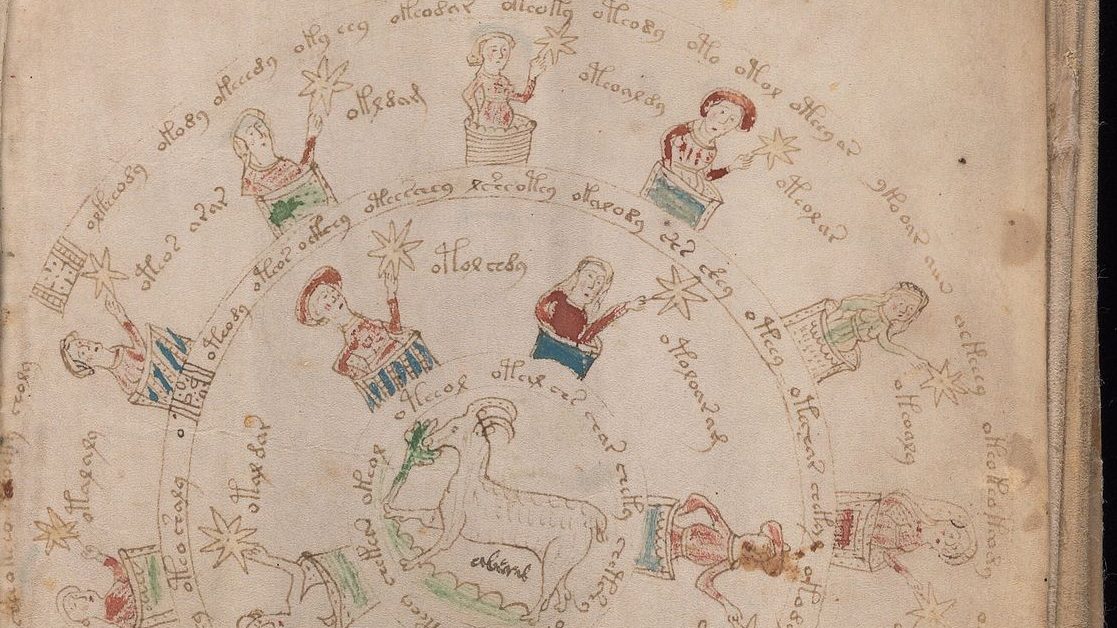 f71rThe Lleida calendar: a match that survived three tests and turned out to be an artefactThe story of a false positive in Voynich manuscript research: the Lleida calendar of 1524. How a match passes the standard statistical tests, and what finally exposes it - a test for anachronism.REJECTED
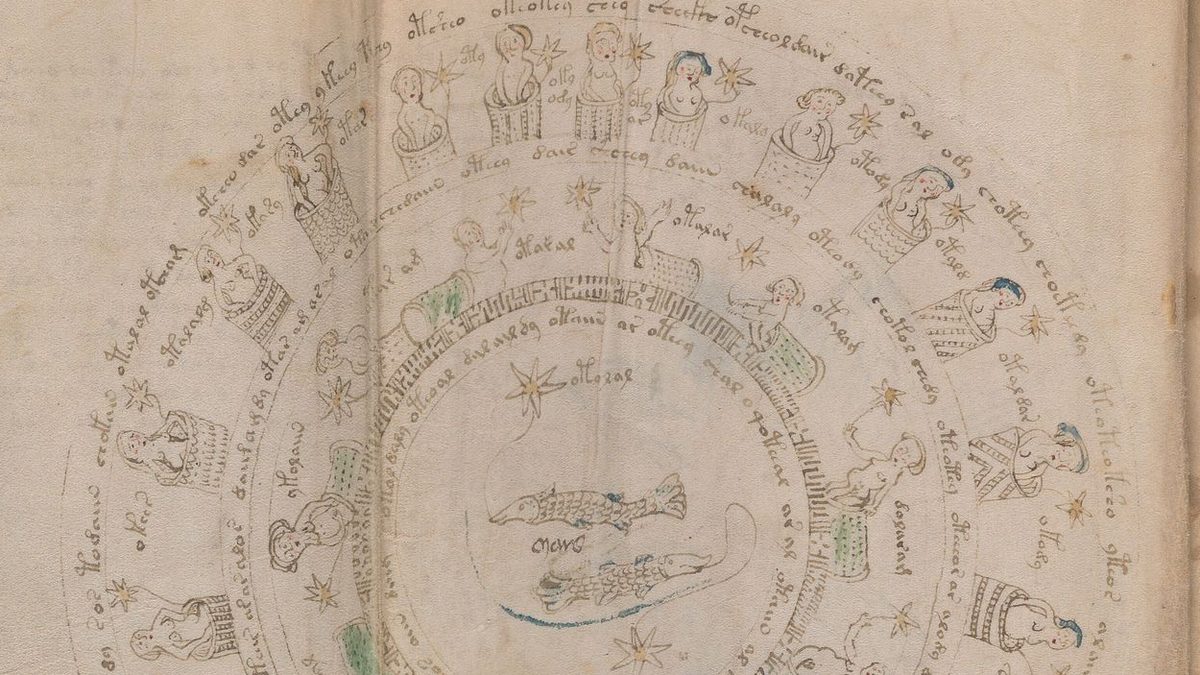 f70vA zodiac by degrees: the one external signal, and how we limited it ourselvesThe zodiac rings of the Voynich manuscript as a list of degrees. Blind tests of the match with al-Biruni's table, the shift of 23, the locality of the signal, labels as two-letter sigla, and the counter-rotation of the inner rings.OPEN