Findings
What we ourselves learned about the Voynich manuscript: established facts about the text mechanism and the labels, signals with a boundary, near misses - where one step was missing - and the doors still open. Each article: the finding, the number, the control, what success would look like.
Map of findings
What is established
 f111rThe empty corner: the place on the map of languages where only the manuscript sitsThe empty-corner test for the Voynich manuscript: at equal volume, none of 27 natural languages combines a conditional entropy below 2.60 bits with a vocabulary share above 0.15. Only the manuscript and verbose-homophonic ciphers are there. What pushes a text into the corner, why Ge'ez came close, and what a change of transliteration alphabet does.ESTABLISHED
 f33vFive scribes, one key: how the manuscript betrays that it was written from shared tables - and by double leavesWhat is known about how the Voynich manuscript was made: five scribes after Lisa Fagin Davis and the sharing of their homophones (divergence 0.050 against 0.163), a sectional dialect over a stretch of about 220 lines, the bifolio as the unit of writing (similarity of conjugate leaves z -5.2, shared vocabulary), the order of the quires and why the LSA method does not prove it.ESTABLISHED
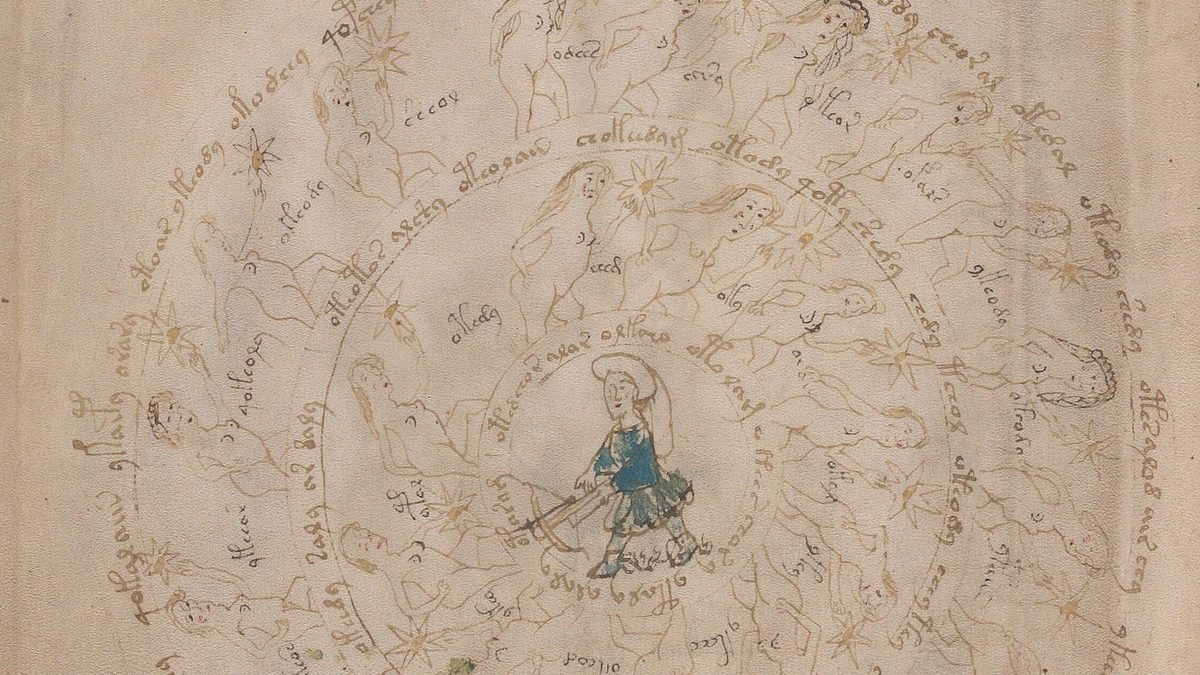 f73vThirty names per sign: what we know about the labels in the zodiac ringsThe labels of the zodiac rings of the Voynich manuscript as sigla - abbreviations of names from closed lists, thirty per sign. Six markers of label grammar, numbers rejected, independent evidence for the inventory, a stem shared across the leaf, and why a label cannot be read.ESTABLISHED
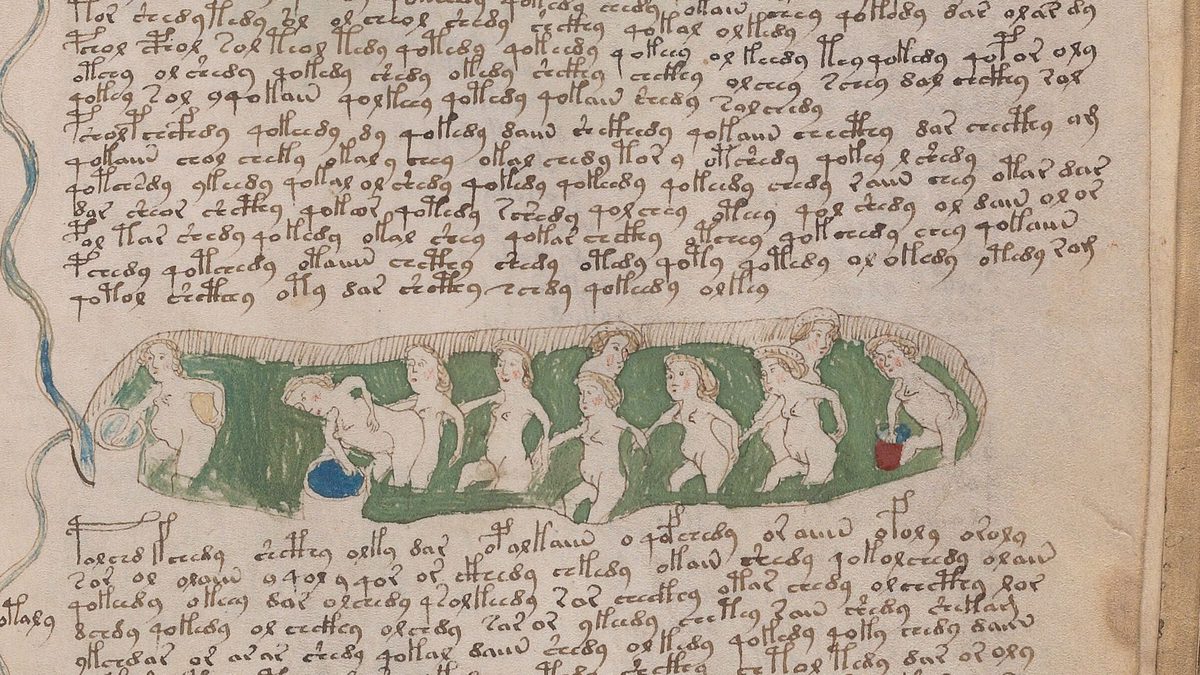 f84rLines remember each other: the cycle d → q → y and a constraint on a whole class of explanationsInter-line links in the Voynich manuscript - the opener of a line avoids the opener of the previous one (6.88 against 13.54 percent, z +24), preferences between different openers, the directed cycle d → q → y that vanishes when the lines are re-flowed. Why this is a constraint on a class of models rather than a defect of one.ESTABLISHED
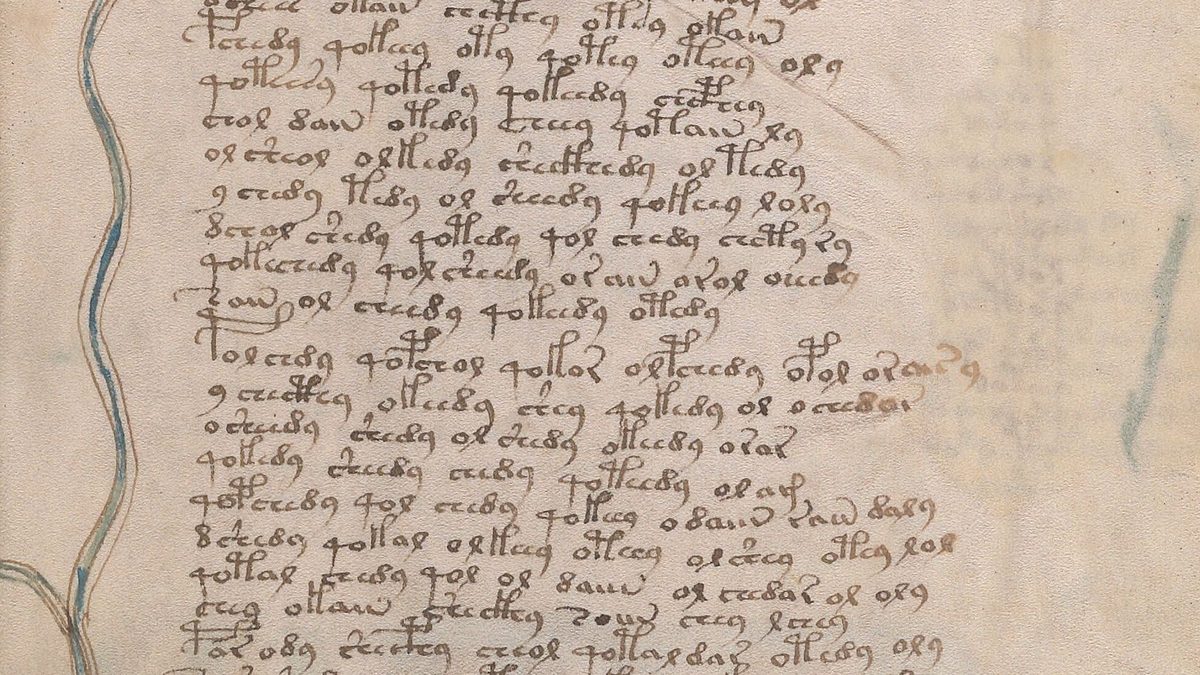 f81rThe soft space: why `saiin` and `s aiin` are the same thing, and what that says about the cipherJoined-and-split alternation in the Voynich manuscript: 8.89 percent of neighbouring pairs also occur joined, against 5.16 for chance, stable across five transliterations. Which words carry it, what 105 texts of the period showed, how the soft space layer closed a defect of the model, and why Dominik's axis led to the same point - a shared inventory of short groups.ESTABLISHED
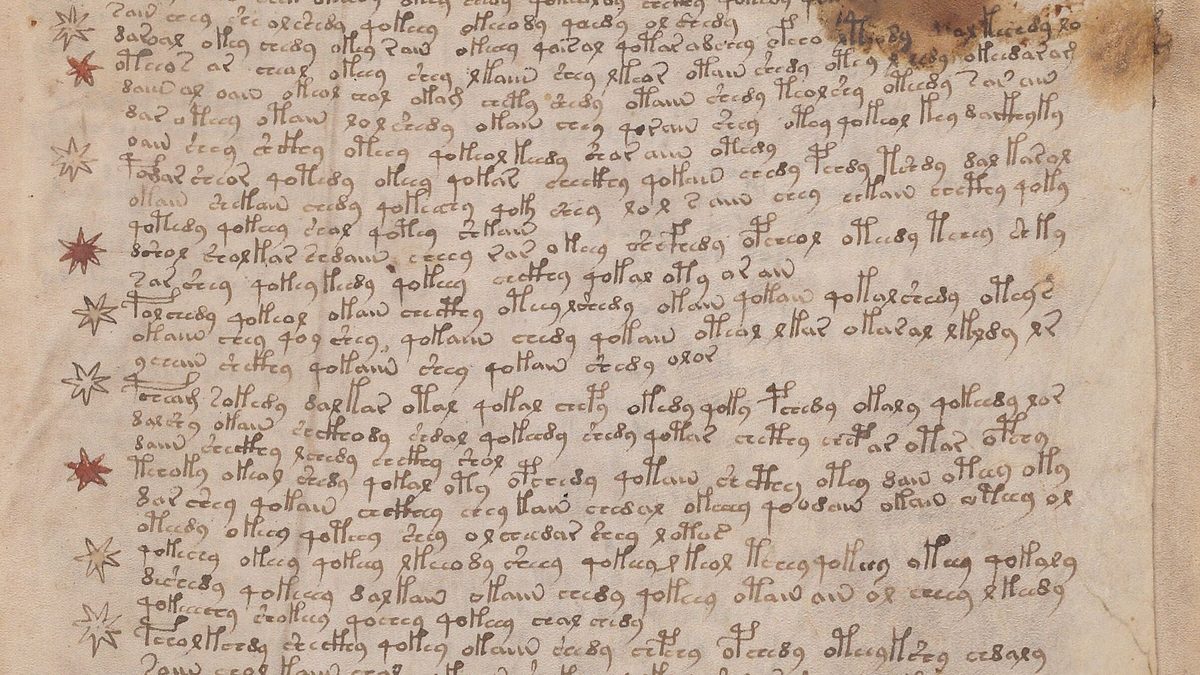 f103rSix tables and five scribes: how the text of the Voynich manuscript is builtThe text mechanism of the Voynich manuscript - a verbose cipher with six substitution tables shared by five scribes. How the model was assembled layer by layer, which statistics it reproduces, what sixteen rival generators show, and where the model has open defects.ESTABLISHED
Near misses
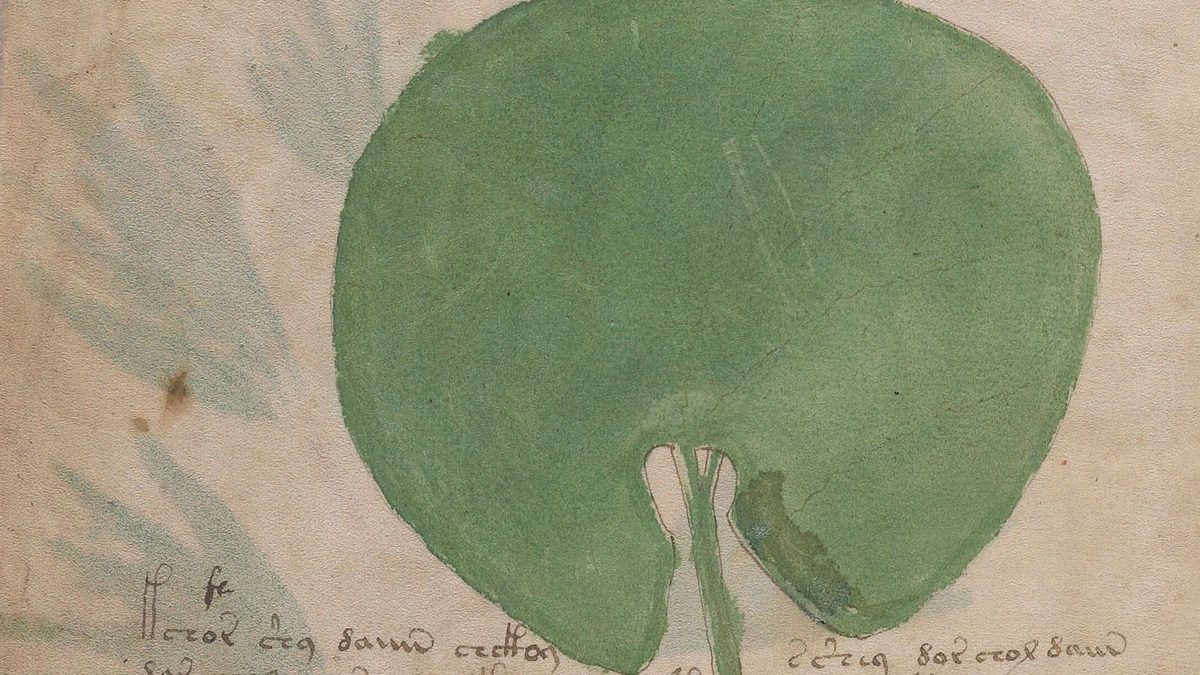 f2vThe Armenian trail: how we closed the language four ways - and what we found on the roadThe Armenian hypothesis for the Voynich manuscript under test: the structure of the text against Grabar and Amirdovlat (1 axis out of 6 against 3 for Latin), the shape of the letters by fonts (Armenian equals Georgian Mkhedruli) and by manuscripts of the period (the signal inverted), a blind quiz (p 0.342). The doubled syllables ote-ote and daldal: the band of remedy books among Armenians, Ottomans and Copts - and why in the end this turned out to be a property of the cipher, not of the genre.CLOSED BY THE NUMBERS
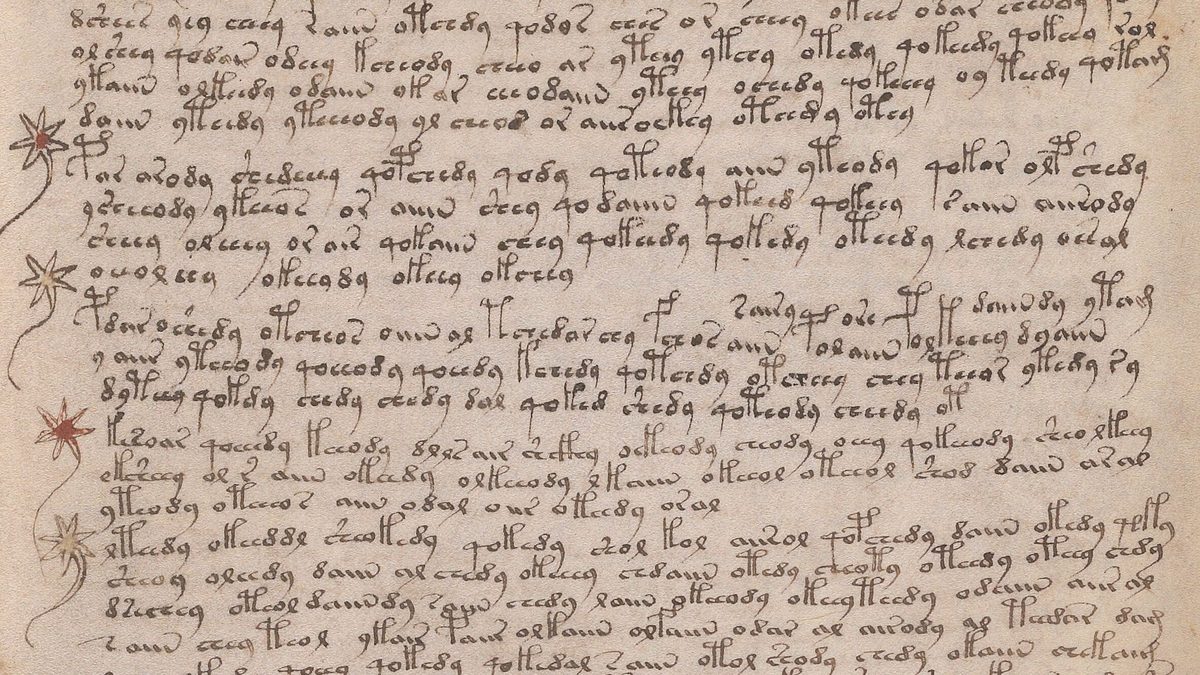 f105rDoor number two: how we looked for the book the manuscript was copied from, and found a match with a margin of 0.14 percentSearching for the source text of the Voynich manuscript through the order of entry lengths: the method, four sieves, 182 candidates from Pliny to the Spanish medical texts of the fifteenth century, the single hit - Ketham's Compendio de la humana salud of 1494 with a margin of 0.14 percent - and the confirmatory procedure that removed it. The Dream Book of Daniel with exactly 292 entries.NEAR MISS
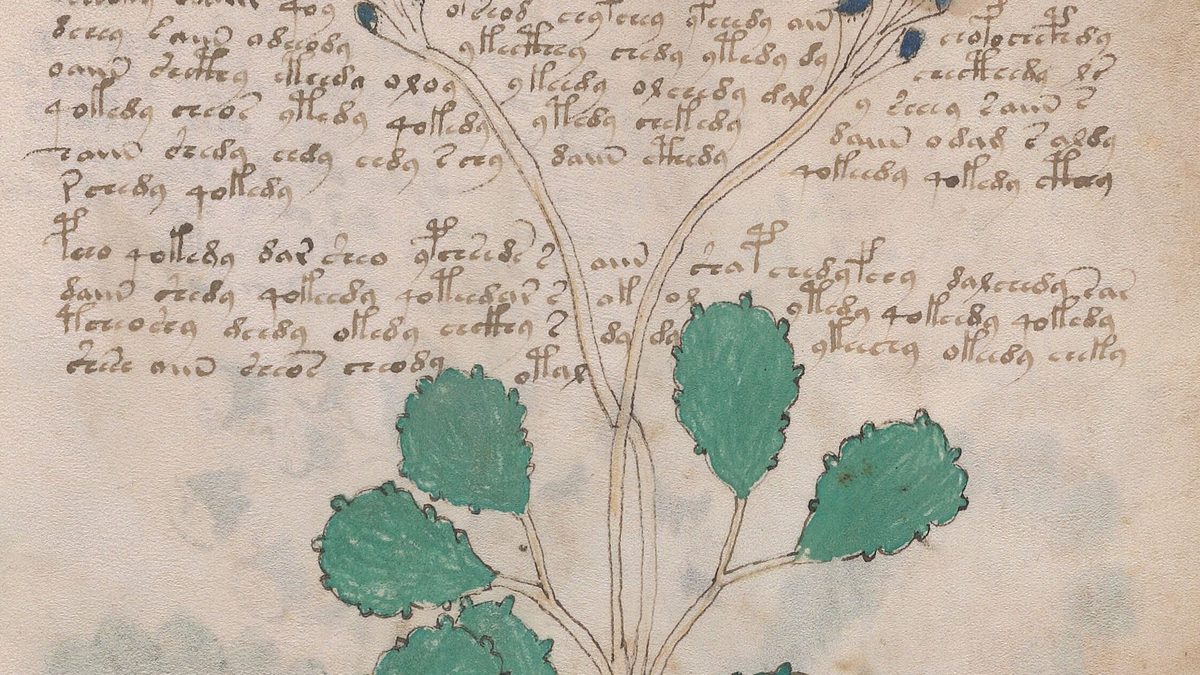 f26rThe Milan cipher of 1424: the first syllabic key of the manuscript's period - and why it is still not the oneCiphers of the Italian chanceries of 1400-1460 against the Voynich manuscript: the Milan cipher of 1424 with a syllabary of 150 syllables, code groups and Roman numerals (after Knowles and Gabbrielli), the keys of Siena and Florence, Tranchedino 1450. What was tested on the entropy profile, what it changes in the dating of the class and why no key of the period reproduces the manuscript.NEAR MISS
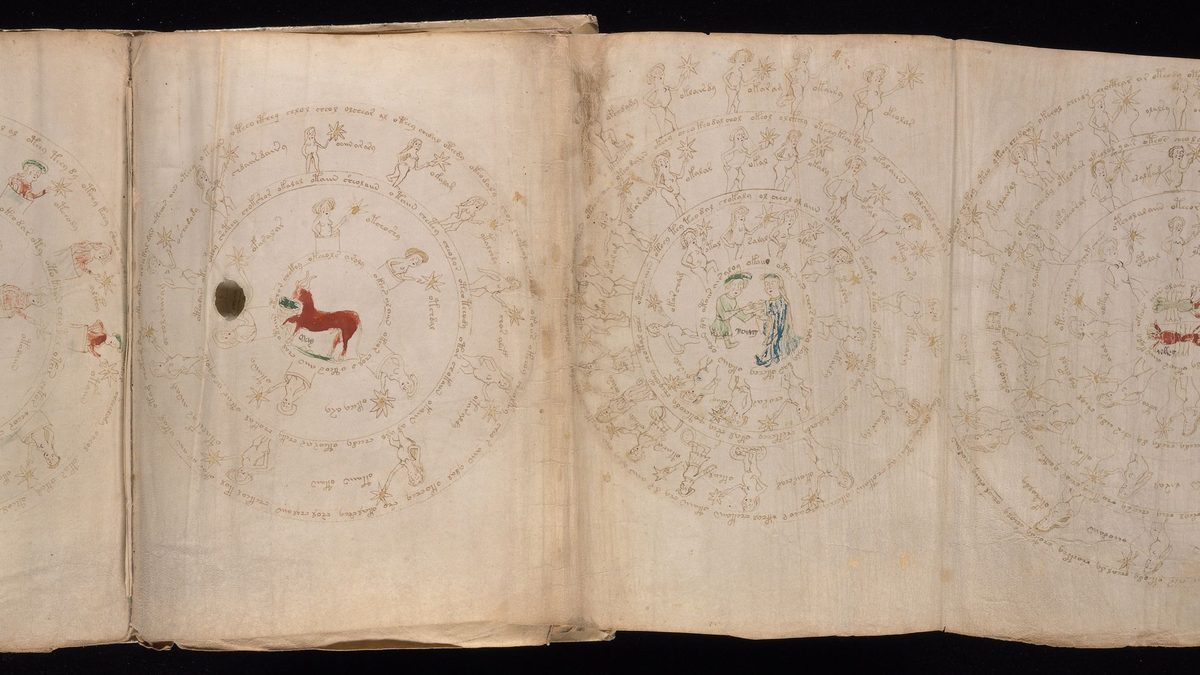 f71vTwelve months in a foreign hand: what we learned about the annotator of the zodiac and what cannot be learnedThe month names on the zodiac of the Voynich manuscript as a key to provenance: the forms octembre, augst, abril, iollet, jong against a corpus of Gallo-Romance charters (6 284 acts, 25 scriptae), readings from MSI and scans, Anglo-Norman and Occitan traces. Why the localisation of the annotator cannot be settled on the available material and what re-imaging could give.OPEN
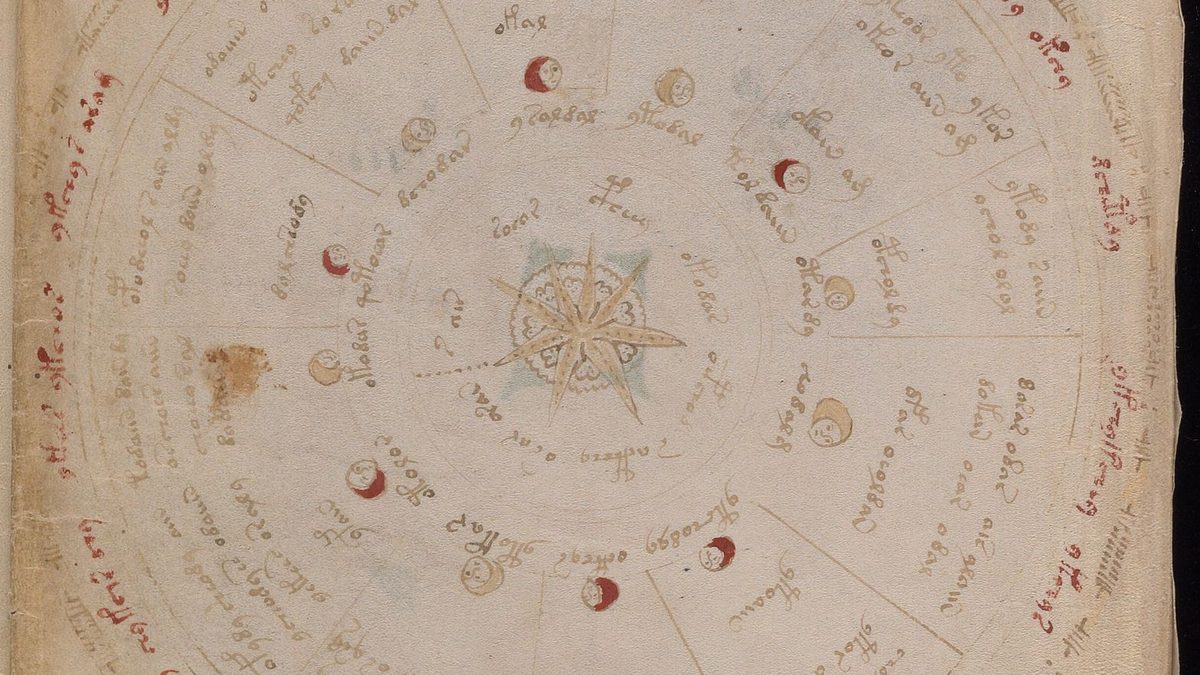 f67r2Twelve moons: what colour says on leaf f67r2 and why the computus did not fitLeaf f67r2 of the Voynich manuscript: twelve moons in a circle and their colours Y R Y Y R R Y R Y R Y R. How the sequence was objectified by unrolling, why Stolfi's table of 2000 is refuted, the test against the lunations of Bede's computus (p 0.0855 at a threshold of 0.01), the degenerate referent and the "planetary labels" whose source is half a century too late for the manuscript.OPEN
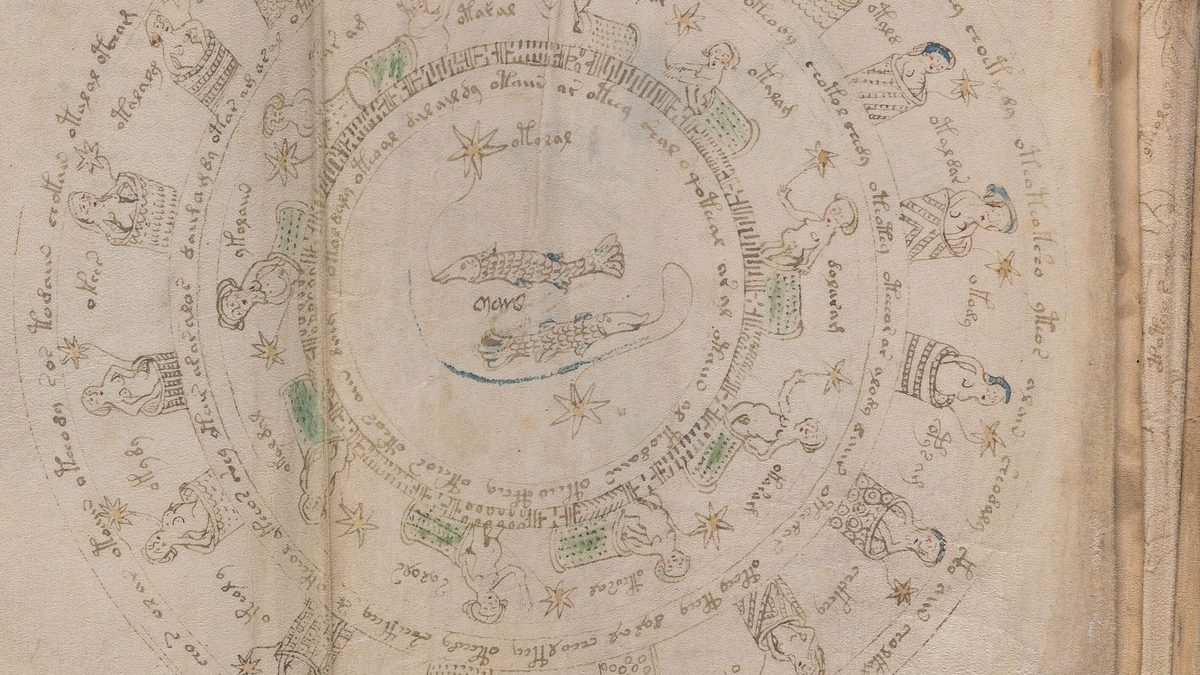 f70vNear misses: twenty times the answer seemed one step awayThe register of near misses in the study of the Voynich manuscript: the Lleida calendar of 1524, the lapidary of Alfonso X, Ketham's Compendio of 1494, the Dream Book of Daniel, the shift of 23 on the zodiac, Ge'ez in the empty corner, the Caspari-Faccini key, the pairs of the pharmaceutical panel, the month names, the lunations of the computus, the Milan cipher of 1424 and others - how close, what killed it and what would have brought success.BACKGROUND
Anchors and the key hunt
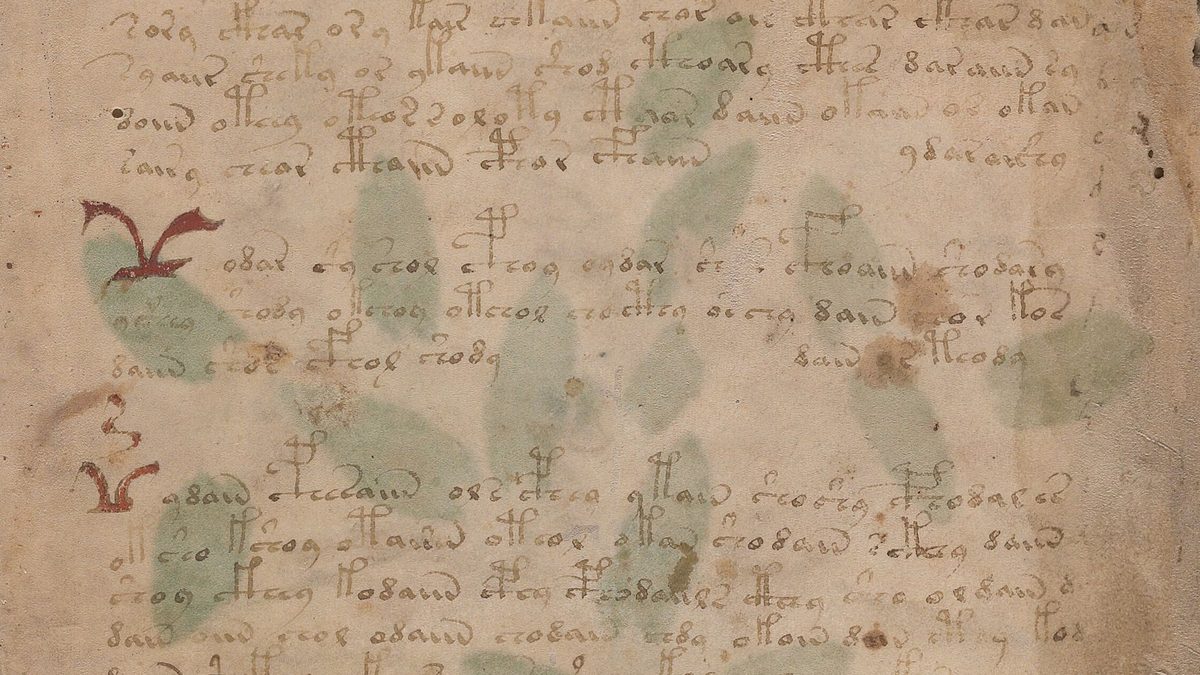 f1rThe anchor threshold: how much known text it takes to break the manuscript's cipherWhy the key of the Voynich manuscript cannot be recovered by search: the anchor threshold N50 equals 2 500 aligned words of the manuscript, or 530-660 Latin words. The solver cracks synthetic text with an accuracy of 0.95 and stays silent on the manuscript under ten languages. What blinds the solver and what follows for the reading strategy.ESTABLISHED
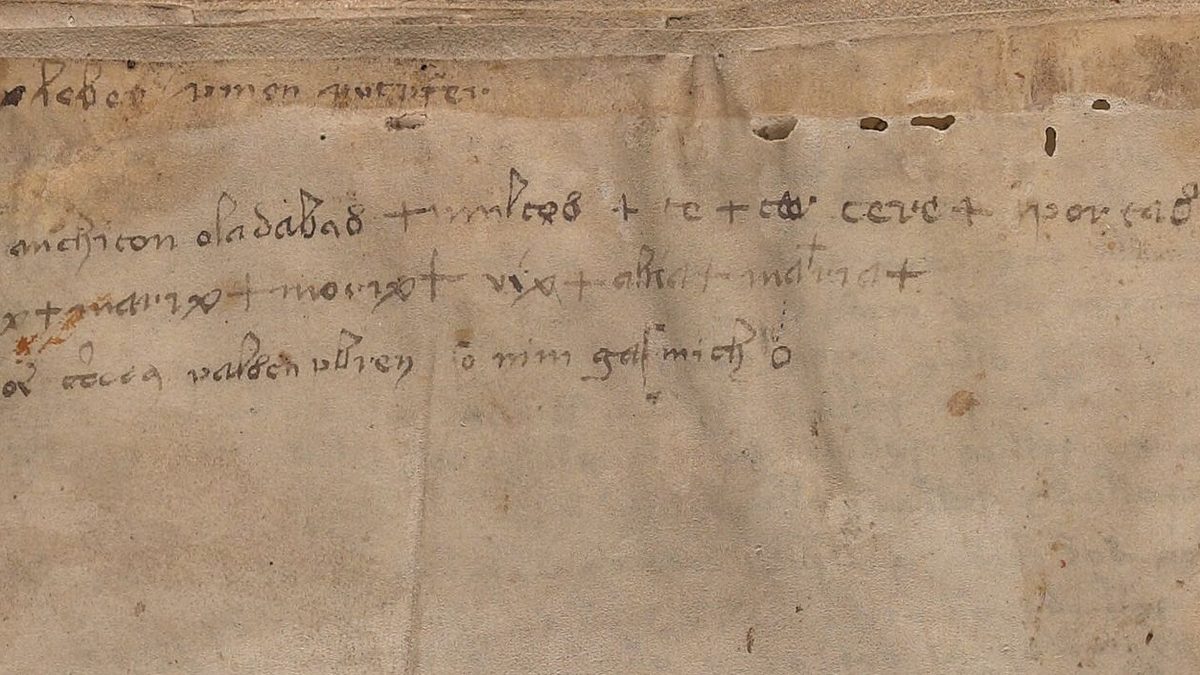 f116vHunt for the key: two lost items from Kircher's correspondence and the one or two leaves that are missingDossier of the search for the key artefact of the Voynich manuscript: a portrait of the document (six tables, 414 lines), the trail through the correspondence of Athanasius Kircher - the copies of the script of 1637 and Baresch's attempts at translation of 1665, the holdings of APUG, the Vatican and the Beinecke, Hartlieb's miscellany of 1456 with eighteen secret alphabets, and the keys of the Italian chanceries of the fifteenth century.OPEN